It is a drink that is quite rare on a global scale, differing from wine and shochu in its ingredients, its production method, and its alcohol content alike.In this article, we go through the classification of sake as a drink, its alcohol content, how it differs from wine and shochu, and the legal classification that anyone handling sake abroad should keep in mind.
Yes, Sake Is an Alcoholic Beverage
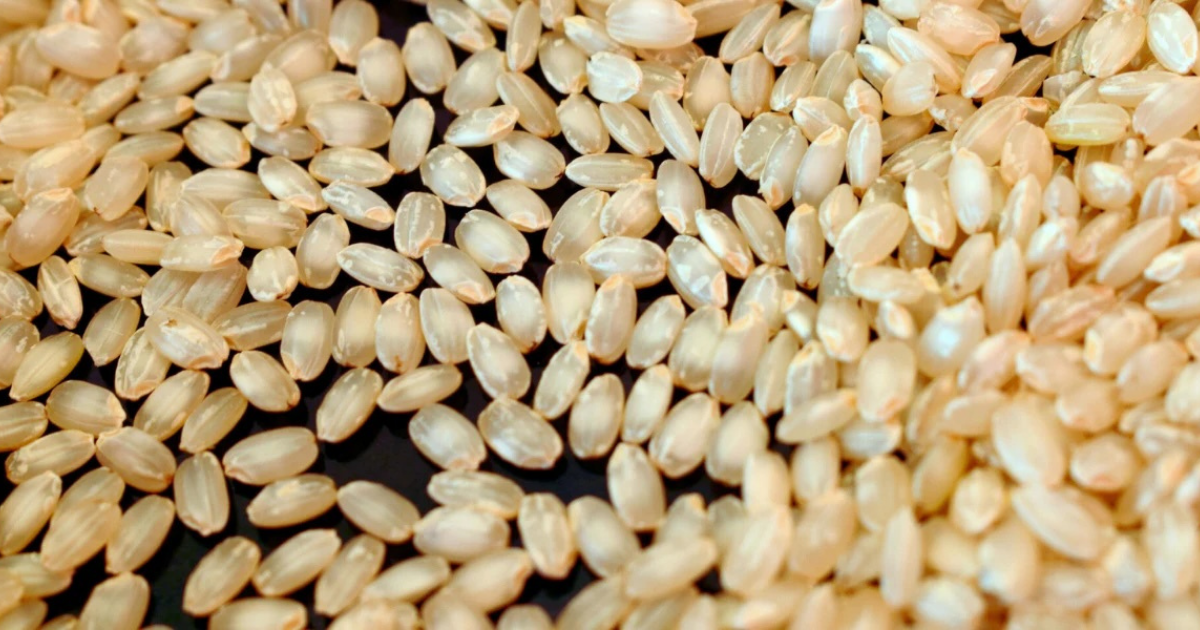
Sake (seishu, written as "sake" in English) is a fermented beverage made only from rice, rice koji, and water. By law it is called "seishu," and the Japanese Liquor Tax Act clearly classifies it as an alcoholic beverage.
Abroad, sake is often labeled as "sake" or "Japanese rice wine," but in its production method and the direction of its flavor it is a different thing from wine, which is made from grapes.
In recent years, low-alcohol sake of around 5-13% and non-alcoholic "sake-style drinks" have been increasing as well, but in this article we focus on standard sake.
What Is the Alcohol Content of Sake?
The alcohol content of sake varies depending on the brand and the type.
Standard sake is 15-16%, undiluted "genshu" (sake to which no water has been added) is 18-20%, and the low-alcohol sake and sparkling sake that have become popular in recent years are roughly in the range of 5-13%.
"Genshu" in particular is pressed straight from the moromi mash without any added water, which gives it a deep flavor with the umami of the rice highly concentrated.
For your reference, a comparison with other alcoholic beverages is as follows:
- Sake: 15-16% ABV, brewed (multiple parallel fermentation)
- Wine: 11-14% ABV, brewed (single fermentation)
- Beer: 4-6% ABV, brewed (sequential multi-stage fermentation)
- Shochu: 20-25% ABV, distilled
- Whisky: 40-43% ABV, distilled
Sake sits in a position that could be described as somewhat on the higher side among brewed beverages.
Is Sake Brewed or Distilled?
Some people may wonder, "Is sake a type of wine? Or is it a distilled drink like shochu?"
Sake is classified as a brewed beverage. Brewed beverages, which are made by fermenting raw ingredients, include not only sake but also wine and beer, and all of them produce their alcohol through fermentation.
Shochu, whisky, and gin, on the other hand, are called distilled beverages and are made by distilling a brewed liquid even further. Even within the same category of "alcohol," they split into completely different groups in both production method and alcohol content.
The reason sake is treated as part of the "wine category" in some countries is because of this shared category of brewed beverages. That said, in its ingredients and its production method it is a completely different drink from wine.
The Difference Between Sake and Wine
Sake is often translated abroad as "Japanese rice wine," so many people may have the impression that it is close to wine. In reality, however, the ingredients, the production method, and the direction of the flavor are all very different.
Above all, what is considered sake's biggest characteristic is a production method called multiple parallel fermentation (heiko fukuhakko). It is a unique brewing method in which two processes proceed in parallel at the same time inside one and the same tank: "saccharification," where the starch of the rice is converted into sugar by koji mold, and "fermentation," where that sugar is converted into alcohol. This complex process, which has hardly any equivalent anywhere in the world, is what creates the umami and the complex aroma that only sake has.
While wine relies on "single fermentation," fermenting the fruit sugar of the grapes as it is, sake runs two stages at the same time. This difference in the production method is what connects to all the other differences — flavor, alcohol content, and even the compatibility with food.
The Difference Between Sake and Shochu
Sake and shochu are both known abroad as traditional Japanese alcoholic drinks, but as categories of alcohol they are completely different things.
Shochu is made by taking a brewed liquid — fermented from ingredients such as rice, barley, sweet potato, or brown sugar — and then distilling it further. The distillate itself comes out at around 40% ABV, and while most products are diluted with water, the typical 20–25% range remains considerably higher than sake.
The way they are enjoyed differs as well. While sake is enjoyed chilled, at room temperature, or warmed, shochu is typically served on the rocks, with water, with hot water, or with soda. If you remember sake as a brewed beverage for enjoying the umami of rice, and shochu as a distilled beverage that brings out the character of the ingredient clearly, the difference becomes easy to understand.
Legal Classification and Labeling Requirements
Here at Sakura Sake Shop, we deliver sake to more than 20 countries and regions. One question we hear especially often from those looking to handle sake abroad concerns how sake is classified under local law.
Because the classification differs from country to country and region to region, it is crucial to always check the regulations of the destination. Note that under the HS Code — the 6-digit international item code used in import and export — sake falls under 2206.00 (other fermented beverages).
In addition, the label at the time of import requires entries in line with each country's regulations — the product name, alcohol content, ingredients, volume, country of origin (Made in Japan), importer information, and so on. These requirements differ in detail from country to country.
Related article: HS Codes for Japanese Sake
Abroad it is sometimes translated as "rice wine," but it differs from wine made from grapes in both its ingredients and its production method. While both belong to the category of brewed beverages, they are completely different drinks in flavor and aroma.
Standard sake is 15-16%, which is somewhat higher than wine (11-14%) and considerably higher than beer (4-6%). It sits lower than distilled beverages such as shochu or whisky (over 20%).
Yes. Recently, low-alcohol sake of 5-13% and non-alcoholic beverages have been increasing. Many sparkling sakes are 5-13% as well. The range of options is widening for consumers who prefer a lighter taste.
As it is a drink with a relatively high alcohol content, the way to bring out its true flavor is to enjoy it little by little, slowly, paired with food.
The three basic ingredients are rice, rice koji, and water. Sake made only from these is called "junmai-shu." Apart from junmai-shu, there is also sake to which brewing alcohol has been added.
Yes. At Sakura Sake Shop we accept sample orders from a single bottle. You can taste the sake and then choose the products before any formal trade.
Yes. We handle reefer containers and temperature-controlled transport. Even with expensive premium sake, you can import without worry.
Sake is a brewed beverage made by fermenting rice, rice koji, and water. The alcohol content is 15-16% as standard, and its complex umami and rich aroma are created by a unique production method called multiple parallel fermentation, which is rare even on a global scale.
Abroad, sake is often translated as "Japanese rice wine," but it is a point we would very much like you to keep in mind: compared with wine, sake is a unique drink whose ingredients, production method, and alcohol content are all completely different.
Here at Sakura Sake Shop, out of the wish that the true flavor of sake can also be enjoyed abroad, we deliver a wide variety of brands to more than 20 countries and regions. If you are looking to handle sake abroad, please feel free to get in touch with us.
Are you considering importing premium Japanese sake?
Sakura Sake Shop is a specialized trading company that partners directly with 70+ breweries across Japan and exports sake to 20+ countries. From a selection of 1,500+ brands, we propose a custom lineup tailored to your market.
✔︎A selection of 70+ breweries and 1,500+ brands
✔︎Orders possible from a single case
✔︎An English-speaking sake specialist supports you throughout