One question we have been getting more and more from buyers who handle sake abroad is: "What kind of rice is this sake made from?" Quite often customers want to know not only the brewery or the region, but the variety of sake rice as well.
In the same way you would talk about grape varieties with wine, knowing your sake rice is essential when you serve and sell sake.
In this article we have put together, for importers, sake retailers and the sake buyers of restaurants, the main sake rice varieties and how each of them shapes the character of the sake. Once you understand the varieties, it will help you both in building your own lineup and in explaining the products to your customers.
What is sake rice?
Sake rice is officially called shuzo-kotekimai ("rice suitable for sake brewing"). Unlike the table rice we eat every day, it is grown specifically for making sake. It is said that more than 100 varieties of sake rice are cultivated across Japan, each region having its own distinctive ones.
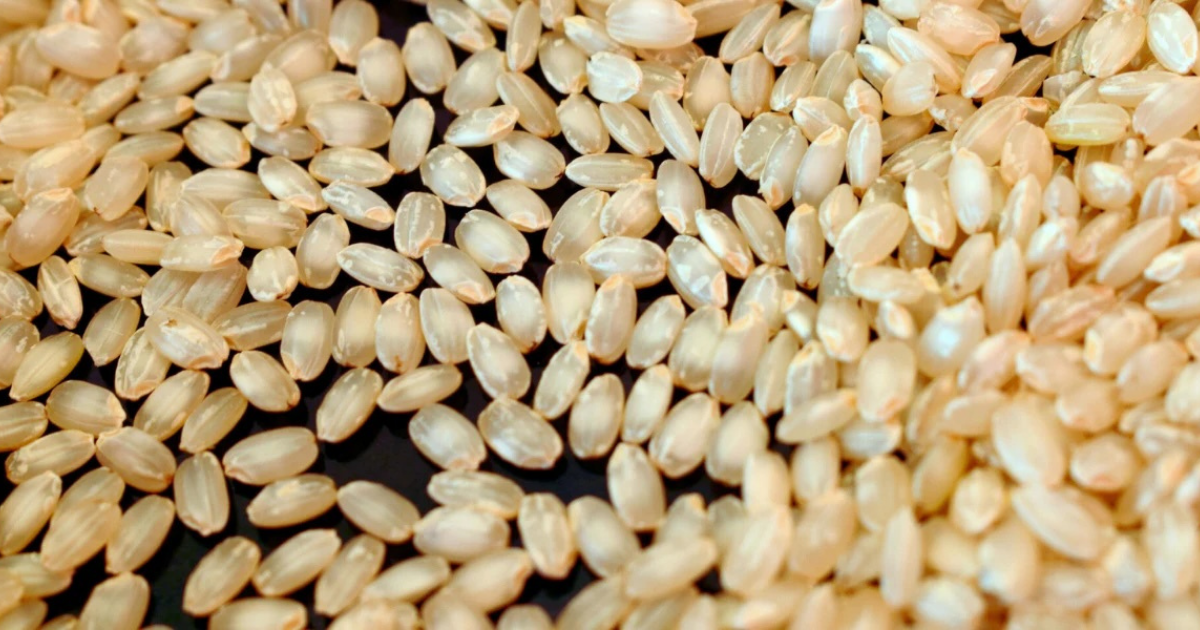
The most important feature of sake rice is the large shinpaku — the white, opaque starchy core in the center of the grain. The starch in the shinpaku is coarse and the koji mold can grow its mycelium into it easily, which makes it crucial for producing good-quality koji.
In addition, the components that cause off-flavors are concentrated in the outer part of the grain, so by polishing the rice and using only the starch of the shinpaku, you can make a clean-tasting sake.
Sake rice is in this way a rice with excellent brewing suitability, and the variety you choose changes the very backbone of the sake.
The five main varieties international buyers should know
There are many sake rice varieties, but the first ones you want to remember when you handle sake are these five.
Yamada Nishiki — the king of sake rice
The most widely used variety, and the one called the "king of sake rice", is Yamada Nishiki. It combines a large shinpaku with a high suitability for heavy polishing, it makes good koji easily, and it results in an elegant sake with a sense of depth.
This elegant, well-balanced character is approachable even for customers abroad who are used to drinking wine, and a large part of all junmai daiginjo is made from this variety.
Gohyakumangoku — the benchmark for tanrei-karakuchi
The second most used variety, and known as the benchmark for tanrei-karakuchi (light and dry). The grain is harder than Yamada Nishiki, it is widely grown in Niigata and other cold regions, and it has supported the clean, crisp style that is called tanrei-karakuchi.
Its clean and precise palate goes perfectly with delicate dishes such as sushi and sashimi, which makes it an indispensable variety for buyers who want to round out their range of food-pairing sake.
Omachi — the ancestor of sake rice
With a history of more than 160 years, and being the ancestor of many other sake rice varieties, it also carries the nickname "the ancestor of sake rice". In recent years its character has been re-evaluated and it has a loyal following.
It is characterized by a full, powerful and rich body — to the point that there are devoted fans, the so-called "Omachists". It suits proposals to customers who are looking for something with character.
Aiyama — the diamond of sake rice
A rare variety born in Hyogo Prefecture, also called the "diamond of sake rice" because of how difficult it is to grow and how little of it reaches the market. It has a large shinpaku on a par with Yamada Nishiki, and it gives a full, dense sake with an excellent balance of depth, umami and volume. As production is limited the price is on the higher side, but it is exactly right for creating a sense of premium. It is recommended for buyers who want to give their lineup some prestige with a rare label.
Miyama Nishiki — the all-rounder of the crisp style
Strong against cold climates and widely used in the Tohoku and Shinetsu regions; according to a 2025 survey it ranks third in production volume after Yamada Nishiki and Gohyakumangoku. Miyama Nishiki has a clearly defined shinpaku and gives a sake with a refreshing, snowmelt-like clarity, which tends to result in a light, easy-drinking style.
Other sake rice varieties
Besides these there are regionally distinctive varieties such as Dewa Sansan (Yamagata), Hattan Nishiki (Hiroshima) and Ginpu (Hokkaido), which become material you can talk about together with the philosophy of the brewery. On top of that there are ultra-rare varieties used only by specific breweries, such as Isenishiki, Ibi no Homare and Tatsu no Otoshigo.
How does the variety change the taste?
As a rough tendency: Yamada Nishiki is aromatic with depth, Gohyakumangoku is clean, Omachi is full and powerful, and Miyama Nishiki is light and refreshing.
Of course it changes a lot depending on the brewing, the yeast and the polishing ratio, so you cannot generalize completely; but when you can predict the taste starting from the variety, designing your lineup becomes much easier.
Especially on a menu abroad, it can help to present them in contrast, like with grape varieties — "Yamada Nishiki = rich and elegant", "Gohyakumangoku = dry and clean".
If you want to go further into the combination of rice and yeast, please also have a look at our 3 Common Sake Yeast Strains article.
How to use sake rice for your sourcing
Knowledge of sake rice directly becomes a criterion for your sourcing decisions. At Sakura Sake Shop, through our exports to 20+ countries and regions, we have proposed variety combinations that fit the customer base.
For a premium line, for example, you build around junmai daiginjo from Yamada Nishiki, fill the food-pairing range with Gohyakumangoku and Miyama Nishiki, and add Omachi for one distinctive slot.
We trade directly with 70+ breweries and hold a lineup of 1,500+ products, so please feel free to get in touch. For choosing concrete labels see Premium and Best Sake: 10 Great Japanese Sake Brands, and for how to go about importing see Sake Wholesale: A Guide for International Buyers.
Sake rice has a large shinpaku (the white part in the center of the grain) and the grains are grown larger so they can withstand heavy polishing. By polishing it, you remove the outer part that causes off-flavors and draw a clean taste out of the starch of the shinpaku.
As a guideline, Yamada Nishiki is for the premium side — aromatic and with depth — while Gohyakumangoku is clean and precise, for food-pairing. Combining them according to your customers and price range makes it easier to put your lineup together.
It is a heirloom variety that is the ancestor of many sake rice varieties, and its full, powerful character has been re-evaluated. There are even devoted fans, the so-called "Omachists" — it really contributes to sake brewing full of character.
No. It changes a lot with the region, the brewing of each brewery, the yeast and the polishing ratio. It is best to see the variety simply as the starting point of the taste.
Yes. We also handle variety-based selections, such as "mainly junmai daiginjo from Yamada Nishiki", and sample orders are possible from a single bottle.
Yes. We handle reefer containers and temperature-controlled transport. Even with expensive premium sake, you can import without worry.
After we hear about your sales market, we provide a custom quotation matched to your needs.
The variety of sake rice is the first step that shapes the taste of the sake. When handling sake abroad, the representative varieties to keep in mind are Yamada Nishiki (aromatic with depth), Gohyakumangoku (clean and precise), Omachi (full and powerful), and others.
Since every one of them changes its expression depending on the brewing and the region, being able to talk about them starting from the variety, together with the region and the story, greatly strengthens how you can sell on the ground.
At Sakura Sake Shop we support you in one place, from designing a lineup built around varieties to quality-preserving transport. If you want to deepen the way you handle sake, or to round out your range, please feel free to get in touch.
Looking to build a sharper sake lineup by rice variety?
Since its foundation Sakura Sake Shop has specialized in exporting Japanese sake. We have direct trading relationships with 70+ breweries and a track record of exporting to 20+ countries and regions.
✓ Variety-based selections — Yamada Nishiki, Gohyakumangoku, Omachi, Miyama Nishiki and more
✓ From 1,500+ products, combinations matched to your shop and your customers
✓ Sample orders from a single bottle
✓ Cold chain (−5°C to 5°C) handling
✓ An English-speaking sake specialist to support you in building your lineup