When you hear the word sake, what kind of flavor do you imagine? And how would you describe it to someone else?
With wine there is a shared vocabulary to fall back on — tannin, acidity, fruit. With sake, impressions tend to differ from one drinker to the next.
This article sets out what sake tastes like in terms that make sense even if you have had little exposure to it.
To put the conclusion first: sake is often described as either sweet (amakuchi) or dry (karakuchi), but among alcoholic drinks as a whole it sits on the sweeter side, and it has little of the pronounced acidity or tannin you find in wine.
What it offers instead is the gentle sweetness that comes from its raw material — rice — together with umami.
The Four Elements That Make Up Sake's Flavor
Sake becomes much easier to understand when you break its flavor into four elements.
Umami
Sake's defining characteristic is umami, which comes from its high amino acid content. Think of the savory depth of kombu dashi in Japanese cooking, or of Parmesan cheese in a Western kitchen.
It is an element wine has almost none of, and it is the reason sake pairs as well with cheese and meat dishes as it does with Japanese food.
Sweetness
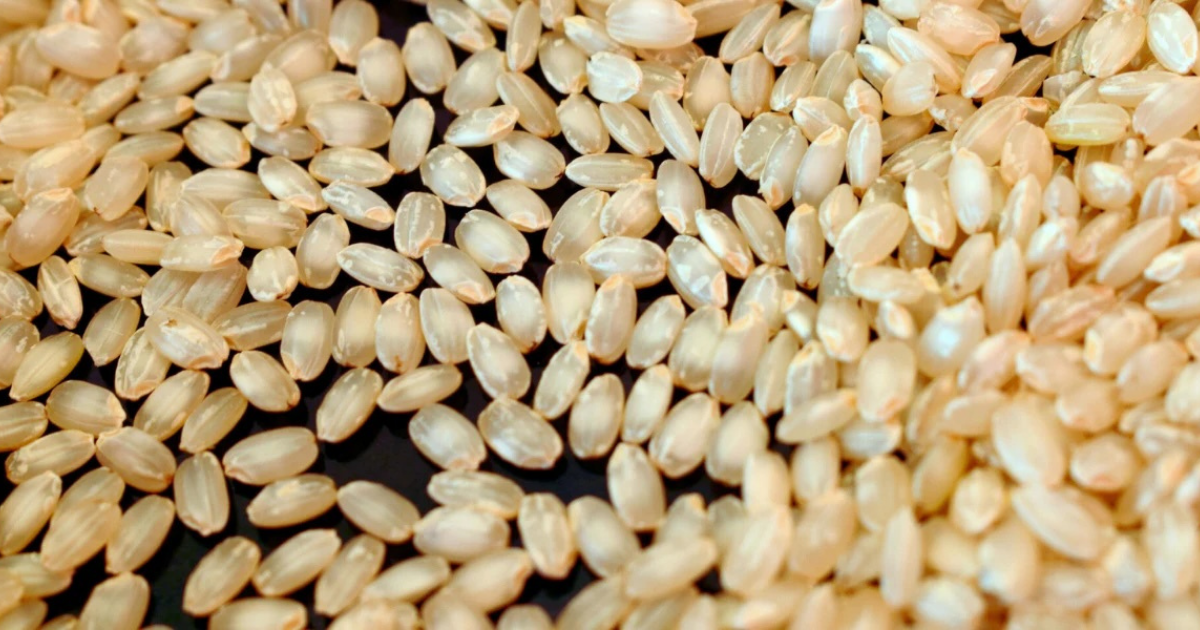
Sake is made by converting the starch in rice into sugar and fermenting it, and that gives it a soft sweetness. It is nothing like the intensity of a dessert wine — it is the rounded, natural sweetness you taste when you chew a mouthful of freshly cooked rice.
Acidity
On average, sake's acidity is a third of wine's or less.
Where wine leads with bright, driving acidity, sake keeps acidity in the background, and the result is a smooth, rounded mouthfeel. When someone tries sake for the first time and says it is easier to drink than they expected, low acidity is usually the reason.
Tannin and Bitterness
Sake has almost no tannin, and so almost no astringency. Guests who find the grip of red wine difficult can usually enjoy sake without hesitation. Some labels do leave a faint bitterness on the finish, but it is a different sensation from the astringency of wine.
Aroma: The Axis for Choosing Sake
Aroma sits apart from flavor itself, and it is one of the most useful guides you have when choosing sake.
The lifted, floral aromas of apple, banana, melon and pear that you often meet in Junmai Daiginjo and Junmai Ginjo are known as ginjo-ka. No fruit is used at any stage — the aroma comes purely from rice and the work of the yeast during fermentation.
Other sake carries a quieter aroma, closer to freshly steamed rice, bread or grain, and with age some take on notes of nuts or cacao. A different family of aroma means different food to serve alongside it, and a different glass to serve it in.
If you would like to know where these aromas come from, see Sake Yeast: 3 Common Yeast Strains.
Sweet and Dry in Sake
Sake is often described as amakuchi (sweet) or karakuchi (dry). Karakuchi does not mean spicy or hot; it corresponds to dry in English, describing a sake that is low in sugar and finishes clean and crisp.
The conventional guide to this is the Sake Meter Value (SMV, or nihonshudo), which appears on some labels. SMV expresses the specific gravity of the sake: the higher the positive number, the lower the gravity — and, broadly, the less sugar — indicating a drier style, while values moving into the negative indicate higher gravity, more sugar and a sweeter style.
An SMV of around +3 to +6 is generally described as off-dry, and it is an easy range to work with as a sake to drink through a meal.
That said, SMV is only a rough indicator, and it frequently diverges from how a sake actually tastes.
For that reason, Sakura Sake Shop does not classify sake as sweet or dry. We use the Sake Matrix instead.
The Sake Matrix: Six Styles by Aroma and Body

At Sakura Sake Shop we work with an idea we call the Sake Matrix, which organizes sake's flavor along two axes: the family of aroma, and the weight of the body. The diagram above is that matrix.
The six styles are Classic-Light, Classic-Medium, Classic-Full, Modern-Light, Modern-Medium and Modern-Full. Each one links through to that style in our portfolio.
The Family of Aroma (Classic to Modern): the horizontal axis
Classic Style — a quieter aroma of freshly steamed rice, bread or grain. With age, notes of nuts and cacao can appear. On our portfolio page this end of the axis is labeled Cereal/Rice.
Modern Style — fruity aromas of pineapple, melon, muscat and apple. On our portfolio page this end is labeled Fruity/Floral.
Very few sake sit entirely at one end. Plenty of labels carry both characters at once — a modern style with classic nuances, for example.
The Weight of the Body (Light, Medium, Full): the vertical axis
The higher up the axis, the more concentrated the flavor; the lower down, the lighter it is. You can use this exactly as you would light-bodied through full-bodied in wine.
As a rule of thumb, light-bodied sake suits guests who are new to the category, while full-bodied sake rewards those who already drink it regularly.
When you are building a pairing, work from Light to Medium to Full as the meal moves from the earlier courses to the later ones. That way your guests experience the whole span of the range in a single sitting.
How Flavor Changes by Type
Within sake, how it is made changes the direction of the flavor considerably. There are four categories worth knowing.
Junmai Daiginjo and Daiginjo
The premium class, made from rice milled away by more than half. Fruity ginjo-ka and a smooth mouthfeel make this the category that most often changes people's idea of what sake is. It is also a good first bottle for a newcomer.
Junmai
A fuller style with the umami of the rice clearly present. It is good served warm, which widens the range of food you can put it with.
Nigori
Cloudy sake, made by pressing the moromi through a coarse filter. Its creamy texture and gentle sweetness lead many people to treat it as a dessert.
Sparkling Sake
A sparkling style along the lines of Champagne. Many are low in alcohol and easy to drink, and it is becoming an increasingly popular entry point into sake. See Sparkling Sake Guide for more.
The frame of the flavor also shifts with the sake rice it is brewed from. It is a subject you can discuss much as you would grape varieties in wine, and Sake Rice Varieties covers it in depth.
Temperature Changes the Flavor
One of the biggest differences from wine is the range of temperatures sake can be served at, from 5°C chilled (reishu) to 50°C warmed (kanzake).
Chilled, it tastes cleaner and more focused; at room temperature, the sweetness and umami of the rice open out; warmed, the aroma lifts and the texture turns rounder. The same bottle shows a different face at each temperature.
The basic pattern is to chill fruity ginjo styles to enjoy the aroma, and to warm junmai styles to draw out the umami. Trying a single bottle at several temperatures is the quickest way to appreciate how much depth sake has.
Building a Range: Where Sakura Sake Shop Comes In
At Sakura Sake Shop, we build range proposals around the flavor profile you tell us you are looking for.
That might be a pairing note — this junmai has enough umami to work beautifully with the kind of dish you would normally pour red wine with — or a selection shaped around the customers you serve.
For the practical side of selling to wine lovers, we have set it out in detail in How to Sell Sake to Wine Drinkers.
And for what to look for when buying, see Sake Wholesale: A Guide for International Buyers.
Summary
The key points on how sake tastes:
The quickest way to understand how sake tastes is to taste several bottles of different styles side by side.
Want to find sake that fits your market's palate?
Sakura Sake Shop has specialized in exporting Japanese sake since the company was founded. We work directly with 70+ breweries and have export experience across 20+ countries and regions.
✓ Range proposals drawn from 1,500+ SKUs, matched to your venue and your customers
✓ Sample orders from a single bottle
✓ A cold chain held between -5°C and +5°C
✓ English-speaking sake specialists to work with you on your tasting menu
It is often translated as rice wine, but it tastes quite different. Sake has far less acidity and tannin than wine, and umami and a soft sweetness take the lead instead.
It depends on the label, but as a rule sake tastes sweeter than wine or whisky. In every case it is a natural sweetness that comes from rice, not the sweetness of sugar.
At 14–16% ABV it is a little higher than wine, but because there is so little acidity and tannin, the mouthfeel stays smooth. See Is Sake Alcohol? for more.
A fruity, easy-drinking Junmai Daiginjo, or a low-alcohol sparkling sake. These are the categories that most often change people's idea of what sake is.
Exposed to heat or ultraviolet light, sake develops hineka — a stale aroma reminiscent of paper or pickles — and the definition of the flavor blurs. Refrigerated distribution is essential to keeping quality intact.
Yes. At Sakura Sake Shop we accept sample orders from a single bottle. You can taste the sake and then choose the products before any formal trade.
Yes. We handle reefer containers and temperature-controlled transport. Even with expensive premium sake, you can import without worry.
Want a range that covers every palate?
Since its foundation Sakura Sake Shop has specialized in exporting Japanese sake. We have direct trading relationships with 70+ breweries and a track record of exporting to 20+ countries and regions.
✓ Line-ups balanced across styles and price points
✓ Tasting notes written for your floor team
✓ Sample orders from a single bottle
✓ Cold chain (−5°C to 5°C) handling
✓ An English-speaking sake specialist to support you