Importers and restaurants overseas often ask Sakura Sake Shop which sake is selling in Japan right now.
This article introduces the 11 bottles that sold the most at REIKA, the online store Sakura Sake Shop runs in Japan, from January to early October 2026, in order of bottles sold, together with what our customers said about them.
Gift sets, lottery-only items, and Sakura Sake Shop's own original and collaboration items are excluded.
We have put these 11 bottles and Japan's 2025 sake exports by country into one free report (English, PDF, 12 pages). Bottles on our export list link straight to their product pages.
Top 10 Best-Selling Sake in Japan, 2026
No. 1: UGO NO TSUKI Tokubetsu Junmai “Jusanya” (Hiroshima · Aihara Shuzo)

No. 1 again, as in our first-half 2025 ranking.
A limited release that only eight of the retailers carrying Ugo no Tsuki are allowed to sell. It is brewed with Yamadanishiki rice from Hyogo and kept to 13% ABV. Close to wine in strength, it still has well-balanced umami and body, and keeps pace with a meal from start to finish. In 2016 it was also selected for ANA international First Class.
Customer reviews
- “Light and very clean on the palate, easy to drink. It seemed to go with many kinds of food.”
- “I liked it gently warmed (nurukan): a pleasant acidity and the umami of the rice.”
- “Fruity and easy to drink for anyone. It would make a welcome gift.”
No. 2: KANKOUBAI Junmai Ginjo Yamadanishiki 50 (Mie · Kankoubai Shuzo)

Up one place from No. 3 in the first half of 2025.
Winner of the Junmai Ginjo category at SAKE COMPETITION 2025. Although it is pasteurized (hi-ire), it has the freshness of just-picked fruit: a lifted aroma and rounded umami that fade away lightly.
Customer reviews
- “Aromatic, with a good balance of sweetness and acidity, and a clean finish.”
- “Fruity and very easy to drink. Light like a wine — careful not to drink too much.”
- “A pleasant touch of fizz. It looks like it would go with any dish.”
No. 3: MII NO KOTOBUKI Junmai Ginjo +14 Extra Dry (Fukuoka · Mii no Kotobuki)
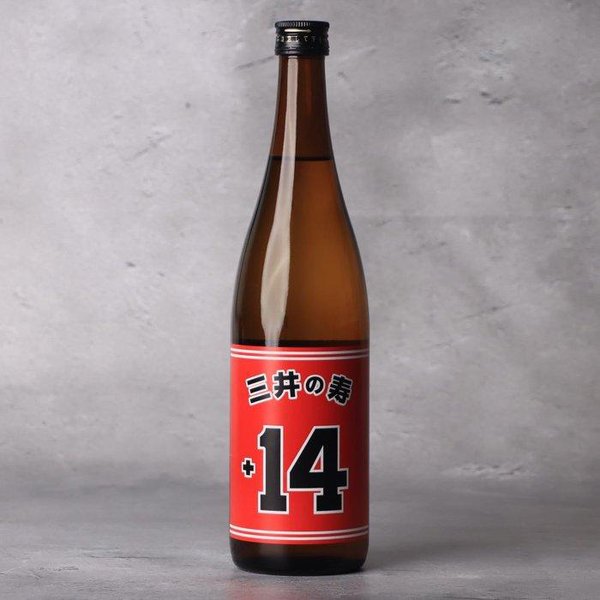
No. 2 in the first half of 2025.
Its label, reminiscent of the manga Slam Dunk, has made it known well beyond Japan. Brewed from Yamadanishiki with No. 9 yeast and a sake meter value of +14, it is clearly dry yet keeps the umami that Mii no Kotobuki is known for. At 14% ABV it is lighter than most, so it never tires at the everyday table.
Customer reviews
- “Dry, but with real depth. Very interesting.”
- “I usually pick sweeter sake, but this extra-dry one went down easily. I will try more dry sake now.”
- “Recommended for sake lovers and Slam Dunk fans alike.”
No. 4: TSUSHIMAYA Another Story “Der Vater Rhein” Junmai Muroka Nama Genshu Usunigori (Gifu · Miyozakura Jozo)

New to the top 10.
The Kiso River, which flows past the brewery in Minokamo, is called the “Japan Rhine” because its scenery resembles the Rhine in Germany. This sake uses the river's underground water and is fermented with a German white-wine yeast, at 11% ABV. A secondary fermentation in the bottle gives it lively bubbles.
Customer reviews
- “Sake, yet as light as a sparkling wine. This is my second purchase.”
- “Refreshing, with popping bubbles, a subtle aroma and a clear finish.”
No. 5: TOYO BIJIN Junmai Daiginjo “Ichibanmatoi” (Yamaguchi · Sumikawa Shuzojo)

Served at the Japan–Russia summit held in Yamaguchi at the end of 2016. Yamadanishiki is polished to 40% (35% for the koji rice) and fermented slowly at low temperature. From the July 2025 shipments, the alcohol was lowered from 16% to 14% ABV.
Customer reviews
- “On its own I could drink it forever. The more you drink, the deeper it gets, with some sweetness too.”
- “I gave it as a wedding gift and it was very well received.”
- “A little luxury, and very satisfying.”
No. 6: HAKURAKUSEI Junmai Daiginjo (Miyagi · Niizawa Brewery)

A limited Hakurakusei made from Omachi rice from Okayama, polished to 40%. It combines the generous body of Omachi with the clean, crisp finish Hakurakusei is known for. It is served in JAL international First Class.
Customer reviews
- “Moderate sweetness and real sake depth. It went with meat, fish and vegetables.”
- “It works beyond Japanese food, with Italian and French cuisine too.”
No. 7: HAKURAKUSEI Junmai Ginjo (Miyagi · Niizawa Brewery)
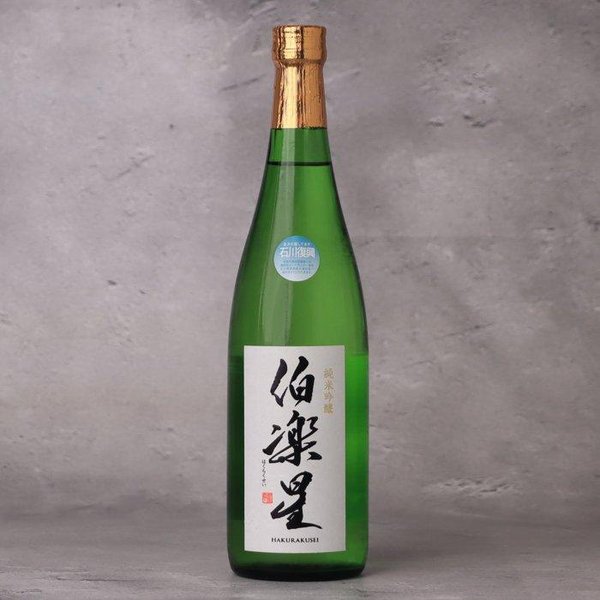
Made with restrained aroma and sweetness as the brewery's “ultimate food sake.” Smooth on the palate, it opens into a clean taste and then disappears. Its umami builds from around the third glass — a sake made to be drunk with a meal.
Customer reviews
- “The ultimate food sake: it lifts the dish without getting in the way.”
- “A sake I want to keep at home at all times.”
No. 8: 800 (YAO) Soba (Osaka · LINNÉ (brewed at Choryo Shuzo))
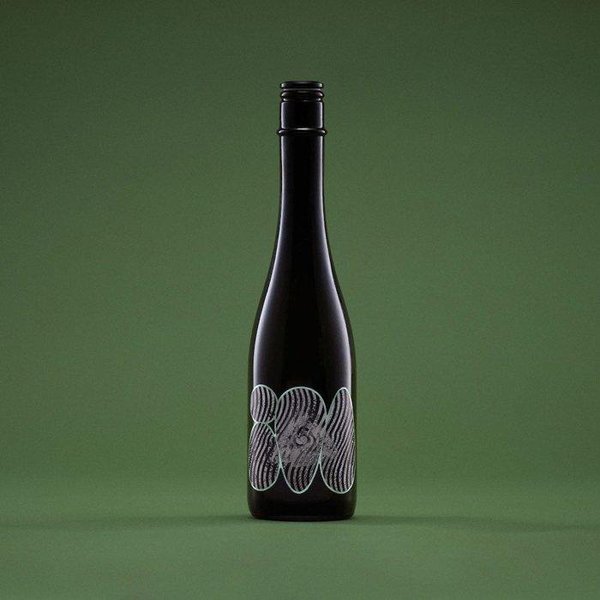
New to the top 10.
A one-of-a-kind sake brewed with koji made from buckwheat (soba koji), using organically grown buckwheat from Ojiya, Niigata. It is made by Shoya Imai, who trained at Aramasa and other breweries and has also brewed sake in Paris and California. At room temperature it is calm; warmed, it brings out a flavor like soba-yu and a soft, silky texture.
Customer reviews
- “A new form of sake. Lighter than rice-koji sake, so it goes down smoothly.”
- “I bought it as a Mother's Day gift. She loved it, which made me very happy.”
No. 9: HAKURAKUSEI Junmai Daiginjo Special A-Ranked Yamadanishiki 29% (Miyagi · Niizawa Brewery)

New to the top 10.
Tojo in Hyogo, the best-known region for Yamadanishiki, is classed as a “Special A” district, and Akitsu within it is said to be the very best. This limited Hakurakusei uses only Yamadanishiki grown in Akitsu, polished to 29% in the brewery's own mill. Elegant fruit notes of banana, melon and strawberry and a soft sweetness fade away cleanly. Serve it well chilled in a wine glass at the start of a meal.
Customer reviews
- “Perfect for a New Year toast, and wonderful with osechi.”
- “A fruity ginjo aroma from the first sip and a well-judged finish. It goes with any dish.”
No. 10 (tie): HOUJUN MUJIN TAKACHIYO (Niigata · Takachiyo Brewery)


New to the top 10.
Two bottles from the same series tied on bottles sold. The series uses fruit-themed labels and deliberately does not publish figures such as the rice polishing ratio, so that people new to sake feel free to pick it up.
- Origarami (BLUE Label): a refreshing, grapefruit-like aroma and bright acidity, with the silky texture of origarami.
- Kasumi Peach Label: an aroma of freshly picked peach, juicy umami and a lively fizz.
Customer reviews
- “Clean with a hint of sweetness. Easy to drink and delicious. I like the simple label too.” (BLUE Label)
- “Just like the label: peach-like sweetness and some fizz.” (Kasumi Peach Label)
→ BLUE Label: on our export list · View / Kasumi Peach Label: ask us about availability
What the 2026 Ranking Tells Us
Lighter, Lower-Alcohol Sake Rose to the Top
No. 1 Jusanya is 13% ABV and No. 4 Der Vater Rhein is 11%. No. 5 Ichibanmatoi has also come down from 16% to 14%.
Sake is usually 15–17% ABV, but drinkers in Japan, too, are choosing sake with wine-like strength that they can keep drinking through a meal.
A Gentle Sparkle Is Popular
No. 2 Kankoubai, No. 4 Der Vater Rhein and No. 10 Takachiyo Kasumi Peach Label all have a light fizz on the palate — an easy style for anyone who enjoys sparkling wine.
Labels and Brewing Give a Clear Reason to Pick It Up
Mii no Kotobuki's label reminiscent of Slam Dunk, 800 Soba's buckwheat koji, Toyo Bijin Ichibanmatoi's red and gold. Beyond taste, the bottles in the top 10 each give a clear reason to pick them up.
Previous Rankings
For the export side of the market, see Japanese Sake Export Volume by Country 2025.
At REIKA, Sakura Sake Shop's online store in Japan, UGO NO TSUKI Tokubetsu Junmai “Jusanya” (Aihara Shuzo, Hiroshima) sold the most bottles from January to early October 2026. It was also No. 1 in the first half of 2025.
Bottles sold from January to early October 2026 at REIKA, the online store Sakura Sake Shop runs in Japan. Gift sets, lottery-only items, and Sakura Sake Shop's own original and collaboration items are excluded.
Lower-alcohol sake and sake with a light fizz ranked high. No. 1 Jusanya is 13% ABV and No. 4 Der Vater Rhein is 11%.
Yes, although some products cannot be exported to certain countries. Please contact us and we will check for your market.
Jusanya stayed at No. 1, and Kankoubai rose from No. 3 to No. 2. Tsushimaya Der Vater Rhein, 800 (YAO) Soba, Hakurakusei Junmai Daiginjo Special A-Ranked Yamadanishiki 29% and two Houjun Mujin Takachiyo bottles are new to the top 10.
Yes. At Sakura Sake Shop we accept sample orders from a single bottle. You can taste the sake and then choose the products before any formal trade.
Yes. We handle reefer containers and temperature-controlled transport. Even with expensive premium sake, you can import without worry.
Planning your 2026 sourcing? Start with the market data.
We have put Japan's 2025 sake exports by country and the best-selling sake in Japan in 2026 into one free report (English, PDF, 12 pages).
✓ Value and volume for the top 10 export markets, with year-on-year change
✓ Export price per liter by market, the five-year trend and four takeaways for importers
✓ The top 10 best-selling sake at our online store in Japan, linked to the export product pages